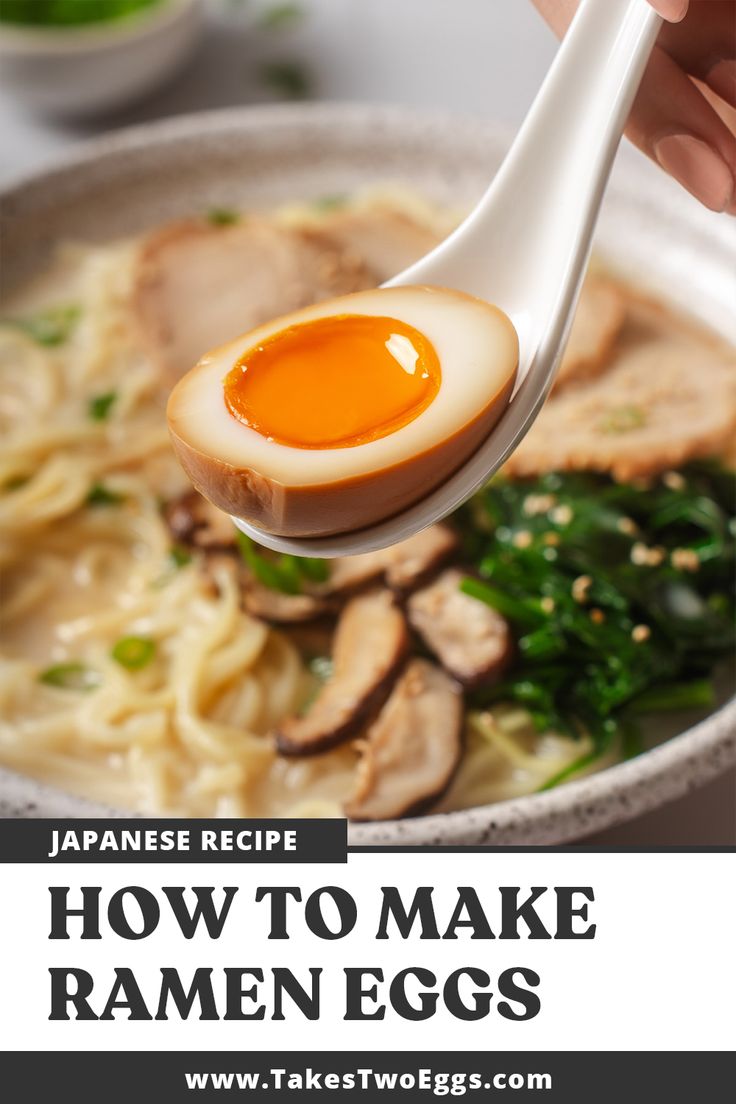
Homemade Ajitama: Crafting Umami-Rich Soy Marinated Ramen Eggs
The humble egg, when transformed into a perfect ajitama, becomes a culinary masterpiece. These umami-rich, soy-marinated ramen eggs, also known as shoyu tamago or nitamago, are more than just a topping; they're an experience. With their signature jammy, custardy yolks enveloped in a savory-sweet marinade, ajitama elevates everything from a simple bowl of instant noodles to an elaborate homemade ramen broth. The good news? Crafting these irresistible delicacies at home is far simpler than you might imagine, requiring only a handful of pantry staples and a little precision. Get ready to master the art of homemade ajitama and infuse your meals with a depth of flavor that's both comforting and extraordinary.
The Magic Behind Simple Soy Marinated Ramen Eggs
What exactly makes ajitama so captivating? It's a symphony of textures and flavors. Imagine biting into a firm yet tender egg white, giving way to a rich, molten, deeply colored yolk that oozes creamy goodness. This delightful texture is complemented by a marinade that's a perfect balance of salty, sweet, and tangy, often with a hint of aromatic spice. The egg absorbs these complex flavors over time, resulting in an incredibly delicious and visually appealing component for any dish.
In Japan, ajitama is a beloved staple, revered for its ability to add a luxurious touch and a significant boost of umami to ramen. However, their versatility extends far beyond. They can be enjoyed as a standalone snack, a protein-packed addition to salads, a vibrant inclusion in bento boxes, or sliced over rice bowls. Once you learn the simple art of making these
Super Easy Soy Marinated Ramen Eggs: Achieve Perfect Jammy Yolks, you'll find countless ways to incorporate them into your culinary repertoire.
The core principle behind great ajitama lies in two crucial steps: achieving the perfect soft-boiled egg and allowing it ample time to soak in a well-balanced marinade. This guide will walk you through each step, ensuring you produce consistently delicious results every time.
Crafting Your Umami-Rich Marinade: The Heart of Ajitama
The marinade is where the magic truly begins. While traditional ajitama marinades can involve a host of ingredients, the essence is a powerful blend of soy sauce, sugar, and often mirin. You have the flexibility to create a deeply layered flavor profile or opt for an incredibly straightforward approach that still yields fantastic results.
Essential Marinade Ingredients:
- Soy Sauce: This is the cornerstone. Opt for a good quality dark soy sauce for a richer, deeper flavor and a more pronounced brown hue on your finished eggs. It's not just about saltiness; soy sauce is a powerhouse of umami.
- Sugar: Crucial for balancing the saltiness of the soy sauce and adding that signature sweet undertone. Sugar also aids in achieving a slight glaze on the eggs.
- Mirin: A sweet Japanese rice wine, mirin adds a subtle tang, a delicate sweetness, and a beautiful gloss to the marinade. It contributes a depth of flavor that's hard to replicate. If you don't have mirin, a touch of sake with an extra pinch of sugar can be a decent substitute, though the flavor profile will differ slightly.
- Water: Used to dilute the concentrated flavors, ensuring the marinade is absorbed without making the eggs overly salty.
- Aromatics (Optional but Recommended): Fresh ginger and garlic cloves are fantastic additions. Smashed or sliced, they infuse the marinade with a robust, warming flavor that beautifully complements the other ingredients. Their presence deepens the complexity, elevating your ajitama from good to exceptional.
The Simplified Approach: 3-Ingredient Soy Marinated Eggs
For those seeking ultimate simplicity, the reference context highlights a brilliant shortcut: a marinade made purely from soy sauce, sugar, and water. This minimalist approach proves that you don't need a lengthy ingredient list to create profoundly flavorful eggs. If you're new to making ajitama or simply prefer fewer ingredients, don't hesitate to explore this easy and satisfying method. You can learn more about this streamlined technique in our article,
Ingredient Ramen Eggs: Your Simple Guide to Savory Ajitama.
Preparing the Marinade:
Combine your chosen ingredients (soy sauce, mirin, sugar, and aromatics if using) in a small saucepan. Heat over medium-low heat, stirring frequently, until the sugar completely dissolves. Allow it to gently simmer for another 1-2 minutes to meld the flavors. Remove from heat and stir in the water. For the best results, it's vital to let the marinade cool completely before adding your eggs. This prevents the eggs from continuing to cook and ensures optimal flavor absorption. If you used aromatics, you can strain them out for a clean marinade, or leave them in for a more intense flavor that develops over time. *Pro tip:* Don't discard the strained ginger and garlic! Chop them up and use them in stir-fries, rice dishes, or even within your ramen broth for an extra flavor boost.
Achieving the Perfect Jammy Yolks: The Art of Boiling
The texture of the egg yolk is paramount in ajitama. We're aiming for that luscious, jammy, custardy consistency – firm enough to hold its shape but soft and molten in the center. Achieving this requires precision and attention to timing.
Prepping Your Eggs for Success:
- Room Temperature Eggs: Using large, room-temperature eggs is crucial. Cold eggs dropped into boiling water are more prone to cracking due to sudden temperature changes, and their cooking time can be less consistent.
- Vinegar and Salt in Water: Adding a splash of white vinegar and a pinch of salt to the boiling water serves a dual purpose. The vinegar helps the egg whites set faster if a crack does occur, preventing the egg from spilling out. Both are often believed to help with easier peeling by slightly altering the pH of the water, though the biggest factor in easy peeling is usually the age of the egg and a proper ice bath.
The Boiling Process:
1.
Bring Water to a Rolling Boil: In a large pot, bring enough water to a rolling boil to fully submerge your eggs. Add about a tablespoon of white vinegar and a teaspoon of salt.
2.
Gently Lower Eggs: Using a slotted spoon, carefully lower your eggs into the boiling water, one by one, to prevent cracking.
3.
Maintain a Simmer: Once all eggs are in, reduce the heat to maintain a strong simmer – the water should be bubbling consistently but not so violently that the eggs bounce around.
4.
Exact Timing is Key: This is where precision pays off. Set a timer immediately after the first egg enters the water.
- 6 minutes: For a very runny yolk with a firm white.
- 6.5 minutes: For a firm white with a gloriously runny-to-jammy yolk.
- 7 minutes: Our preferred time for a perfectly jammy, custardy yolk (as often seen in classic ramen shops).
*Note: These times are based on large eggs. Smaller eggs may need slightly less time, and extra-large eggs slightly more.*
5.
The Ice Bath: Immediately after the timer goes off, transfer the eggs with your slotted spoon into a bowl of ice water. This crucial step halts the cooking process, preventing overcooking and making them significantly easier to peel. Allow them to cool in the ice bath for at least 5-10 minutes.
Peeling Made Easy:
Once thoroughly chilled, peeling should be a breeze. Gently tap the wider end of the egg on a hard surface, then roll it to create hairline cracks all over. Peel under cold running water or submerged in the ice bath; the water helps to separate the membrane from the egg white, making the shell slide off effortlessly. Be gentle to avoid tearing the delicate whites.
Marination and Beyond: Infusing Flavor and Serving Suggestions
With your perfectly peeled, jammy eggs ready, it's time for them to absorb that delicious marinade.
The Marination Process:
Place your peeled eggs into a sealable container or a ziplock bag. Pour the completely cooled marinade over the eggs, ensuring they are fully submerged. If using a ziplock bag, remove as much air as possible and lay it flat to maximize contact.
- Minimum Marination: For a subtle flavor and beautiful color, aim for at least 6 hours in the refrigerator.
- Optimal Marination: For the classic deep flavor and color, marinate for 12 to 24 hours. The longer they soak, the more intensely flavored and colored they will become.
- Extended Marination: While you can marinate them for up to 2-3 days, the texture of the yolk may become firmer over time. We find 24 hours to be the sweet spot.
Storage:
Store your ajitama in the marinade in an airtight container in the refrigerator for up to 3-4 days. The marinade itself can often be reused for another batch of eggs, though its flavor will weaken with each use. Consider freezing leftover marinade for future use if it doesn't contain aromatics that might become too strong.
Creative Serving Ideas:
While ajitama is a quintessential ramen topping, its versatility makes it a fantastic addition to many dishes:
- Ramen Enhancer: The most obvious choice! Slice them in half and place them atop your favorite tonkotsu, miso, or shio ramen.
- Rice Bowls (Donburi): Partner them with grilled chicken, sliced pork, or even just some steamed rice and a drizzle of the marinade.
- Salads: A gourmet addition to a green salad, potato salad, or even a noodle salad, adding rich protein and umami.
- Snack Time: Enjoy them on their own as a satisfying, flavorful snack.
- Bento Boxes: A beautiful and delicious component for packed lunches.
- Toast Topping: Halve them and serve on avocado toast for a sophisticated breakfast or brunch.
Conclusion
Making homemade ajitama might seem like a chef's secret, but as you've seen, it's a process built on simplicity and precision. From the initial excitement of simmering your aromatic marinade to the delicate art of boiling and peeling, each step contributes to the creation of a truly exquisite ingredient. These simple soy marinated ramen eggs are more than just a topping; they're a testament to how humble ingredients, treated with care, can yield extraordinary flavors. Embrace the joy of crafting your own umami-rich ajitama, and prepare to elevate every meal they touch. Happy cooking!