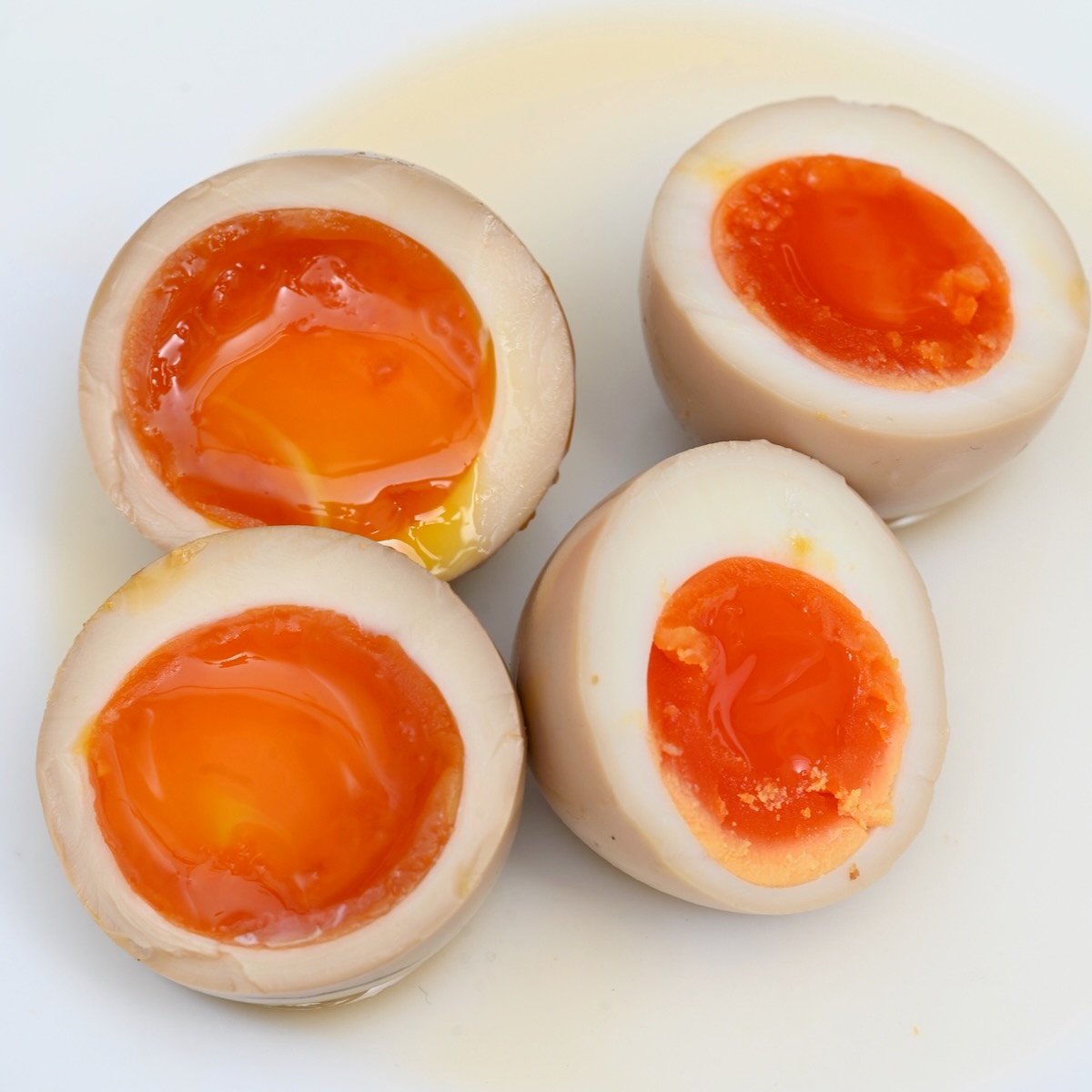
Super Easy Soy Marinated Ramen Eggs: Achieve Perfect Jammy Yolks
There are few culinary delights as satisfying as a perfectly cooked, intensely flavorful ramen egg. With its rich, jammy yolk and savory-sweet exterior, it transforms a simple bowl of noodles into an extraordinary meal. But what if we told you that creating these culinary gems at home is not just possible, but incredibly simple soy marinated ramen eggs can be yours with minimal effort? Forget fancy restaurant-only secrets; this guide will walk you through crafting your own delicious ajitama, packed with umami and destined to become your new favorite obsession.
Often referred to as shoyu tamago, nitamago, or simply soy sauce eggs, these Japanese-style marinated soft-boiled eggs are a staple in ramen bowls across the globe. Their creamy texture and deeply absorbed marinade flavor make them irresistible. The best part? You only need a handful of pantry staples and a straightforward method to achieve perfection.
What Exactly Are Ramen Eggs (Ajitama)?
At their core, ramen eggs are soft-boiled eggs, distinguished by their characteristic jammy or slightly runny yolk, that have been steeped in a rich, sweet, and savory soy sauce-based marinade. This marination process is key: it infuses the egg whites with incredible flavor and gives them a beautiful, deep brown hue, while the yolk remains luxuriously creamy. The result is a burst of umami in every bite, elevating not just ramen, but countless other dishes.
While their primary role is as a topping for miso or chicken ramen, their versatility extends far beyond. Imagine them sliced over salads, nestled into a bento box, atop a rice bowl, or simply enjoyed as a standalone snack. Once you master these simple soy marinated ramen eggs, you'll find endless ways to incorporate them into your culinary repertoire.
The Art of the Jammy Yolk: Cooking Your Eggs to Perfection
The secret to a truly outstanding ramen egg lies in the yolk's texture – that elusive, custardy, slightly runny consistency that melts in your mouth. Achieving this isn't difficult, but it requires precision and a few key steps:
- Start with Room Temperature Eggs: Large eggs are ideal. Bringing them to room temperature prevents drastic temperature shock, which can lead to cracking. If you forget, don't fret too much, but adjust cooking time slightly.
- Vinegar and Salt for Easier Peeling: Add a splash of white vinegar and a pinch of salt to your boiling water. While not strictly mandatory for flavor, many home cooks swear by this trick for making the eggshells more pliable and easier to peel, especially for soft-boiled eggs where the whites can be delicate.
- The Boil and Simmer Method: Bring a large pot of water to a rolling boil. Carefully lower your eggs into the boiling water using a slotted spoon. This prevents them from cracking upon impact. Immediately reduce the heat to a gentle simmer – you want consistent bubbling, but not so vigorous that the eggs bounce around, risking breakage.
- Precision Timing is Crucial: This is where the magic happens.
- For a firmer white with a truly runny yolk, aim for 6.5 minutes.
- For the quintessential jammy yolk, which is often preferred for ramen eggs, target exactly 7 minutes. This yields a firm white and a beautifully custardy, barely runny center, as showcased in many culinary photos.
- For a slightly firmer, but still soft yolk, you can go up to 7.5 minutes, but beyond that, you risk losing the desired jammy texture.
- The Essential Ice Bath: Immediately after the cooking time is up, transfer the eggs to an ice bath (a bowl of ice water). This stops the cooking process instantly, preventing overcooking and helping to contract the egg whites, making them even easier to peel. Let them sit for at least 5 minutes, or until completely cool.
- Gentle Peeling: Once cooled, gently tap the wide end of the egg on a hard surface, then roll it to create fine cracks all over. Peel under cold running water for extra assistance, or submerge them back in the ice bath. The cold water can help separate the membrane from the egg white, making peeling smoother.
Crafting Your Umami-Rich Soy Marinade
The marinade is what transforms a perfectly cooked egg into an "ajitama." While a basic 3-ingredient marinade (soy sauce, sugar, water) is wonderfully effective for a quick fix – and you can explore that simplicity further in our Ingredient Ramen Eggs: Your Simple Guide to Savory Ajitama article – a more complex version builds layers of flavor that are truly next-level.
Key Marinade Ingredients:
- Soy Sauce: The backbone of the marinade. Opt for a good quality dark soy sauce if possible, as it provides a richer color and deeper, more complex flavor profile than lighter varieties. It's not just salty; it's a true flavor powerhouse.
- Sugar: Balances the saltiness of the soy sauce and adds a subtle sweetness, contributing to the glossy finish of the marinated eggs.
- Mirin: This slightly sweet, low-alcohol rice wine is a secret weapon in Japanese cuisine. It adds a delicate sweetness, a touch of acidity, and a beautiful sheen to the marinade, enhancing its depth.
- Aromatics (Garlic & Ginger): These provide a robust, slightly pungent, and warm base note to the marinade. Freshly sliced ginger and smashed garlic cloves release their essential oils when heated, infusing the liquid with incredible fragrance and flavor.
- Water: Dilutes the concentrated flavors of the other ingredients, ensuring the marinade isn't overwhelmingly strong and allows the eggs to absorb it gradually.
Preparing the Marinade:
- Combine & Heat: In a small saucepan, combine the soy sauce, mirin, sugar, sliced ginger, and smashed garlic.
- Dissolve & Simmer: Heat the mixture over medium-low heat, stirring frequently, until the sugar completely dissolves. Allow it to gently simmer for another 1-2 minutes to meld the flavors and infuse the aromatics.
- Cool Down: Remove the saucepan from the heat and add the water. Stir to combine.
- Strain the Aromatics: Using a fine-mesh strainer, remove the ginger and garlic from the marinade. While their flavor is delicious, leaving them in can make the marinade too potent over time, potentially overpowering the delicate eggs. Don't discard them! Chop them finely and add them to your ramen bowl, stir-fries, or other dishes for an extra flavor boost.
- Chill Completely: Allow the marinade to cool down to room temperature, or even better, chill it in the refrigerator. Marinating warm eggs in warm marinade is not ideal for food safety or texture.
Marinating for Maximum Flavor
Once your peeled, cooled eggs and chilled marinade are ready, the final step is incredibly straightforward:
- Submerge the Eggs: Place the peeled soft-boiled eggs into a container or a zip-top bag. A zip-top bag is often preferred as it allows the eggs to be fully submerged with less marinade, minimizing waste.
- Pour in Marinade: Pour the cooled marinade over the eggs, ensuring they are completely covered. If using a bag, squeeze out as much air as possible to create a vacuum.
- Refrigerate & Wait: Seal the container or bag and refrigerate. The marinating time is flexible, depending on your desired intensity:
- Minimum 4-6 hours: For a subtle, yet noticeable flavor.
- Overnight (12-24 hours): This is the sweet spot for deeply flavored, beautifully colored eggs. The whites will take on a rich brown hue, and the umami will penetrate wonderfully.
- Up to 2 days: For maximum flavor infusion, but be mindful that the eggs can become very salty if left much longer.
Tips for Success & Common Pitfalls to Avoid
- Don't Rush the Cooling: Allowing eggs to cool completely in an ice bath is crucial for easy peeling and stopping the cooking process for that perfect jammy yolk.
- Marinade Temperature Matters: Always use a chilled marinade. Hot marinade can continue to cook the eggs or negatively impact their texture.
- Storage: Marinated ramen eggs can be stored in an airtight container in the refrigerator for up to 3-4 days. The longer they sit, the more intense the flavor.
- Reuse the Marinade: If you've strained out the aromatics, you can often reuse the marinade once or twice more within a week. Just ensure it's kept refrigerated. If it appears cloudy or smells off, discard it.
- Scaling Up: This recipe is incredibly easy to scale. Make a larger batch of simple soy marinated ramen eggs for meal prep throughout the week! For a deeper dive into making these versatile eggs, check out our comprehensive guide on Homemade Ajitama: Crafting Umami-Rich Soy Marinated Ramen Eggs.
Beyond Ramen: Creative Ways to Enjoy Your Ajitama
While ramen is their natural habitat, these delicious eggs are incredibly versatile:
- Rice Bowls (Donburi): Slice them over a bowl of steamed rice with some grilled chicken or vegetables.
- Salads: A sliced ramen egg adds a protein boost and a burst of flavor to any green salad.
- Bento Boxes: An essential component of a Japanese lunch box.
- Sandwiches & Toast: Mash them lightly and spread on toast for a savory breakfast, or add slices to a sandwich.
- Snack: Simply enjoy them on their own as a protein-rich, flavorful snack.
Mastering these simple soy marinated ramen eggs is a game-changer for any home cook. With their perfectly jammy yolks and profound umami flavor, they elevate everyday meals and prove that gourmet results are well within reach. So grab your eggs, prepare your marinade, and get ready to experience a truly irresistible culinary delight that you'll want to make again and again.
